

Production & Technology
New dimensions in plastics production
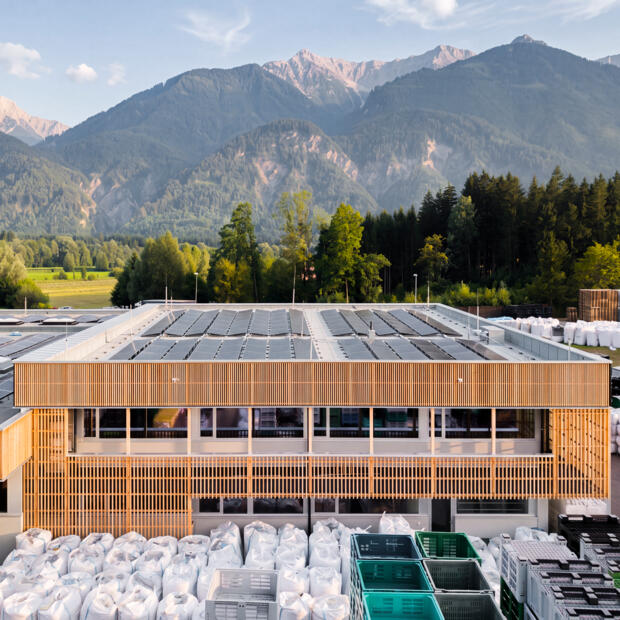
Europlast is synonymous with technically advanced solutions and innovative strength. The company, headquartered in the Upper Drau Valley in Carinthia, currently employs over 140 staff and supplies around 28 countries across Europe. Europlast has 16 injection moulding machines, including two of the most powerful in Austria, with a clamping force of 4,500 tonnes.
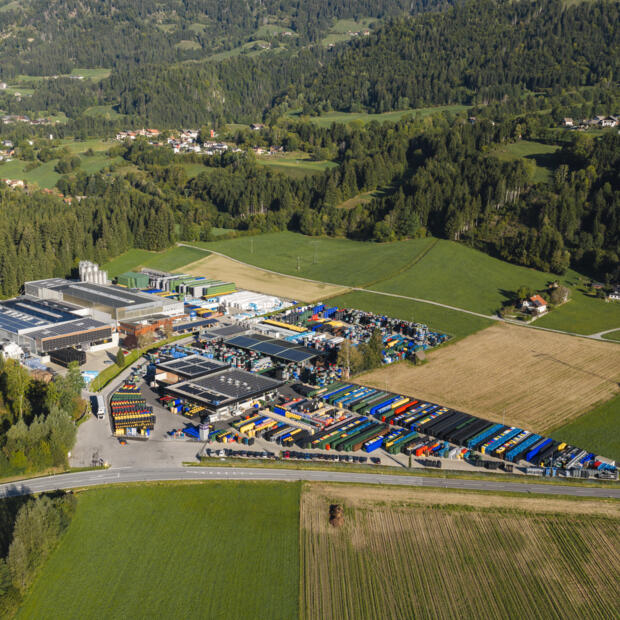
Over 140 staff members
Exports to 28 countries across Europe
A competitive edge through expertise
Europlast boasts the highest level of expertise, a solution-oriented approach and innovation within the plastics processing industry. The specialist expertise of our staff enables us to manufacture outstanding, environmentally friendly products for waste management, industry, the meat industry, agriculture and logistics, and is fundamental to the development of innovative, market-leading products in these sectors. Europlast has explored the optimal balance between old and new and utilises recycled materials with maximum efficiency and environmental soundness. The solution-oriented use of materials and the optimisation of the containers’ net weight whilst ensuring full functionality throughout their service life are what define Europlast’s industry-leading innovative strength.
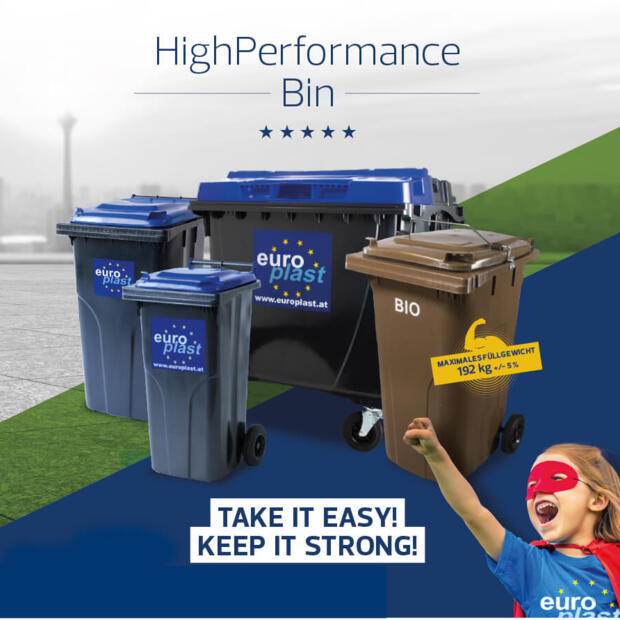
High Performance Bin
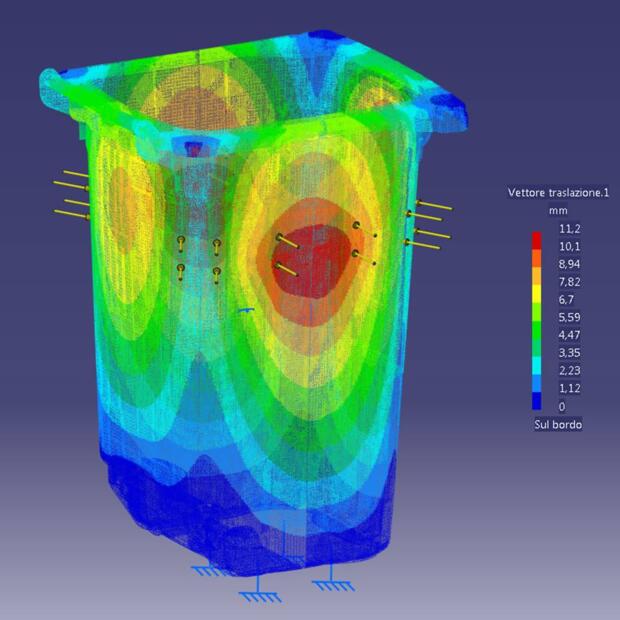
Europlast has developed the ‘HighPerformance Bin’ using a sophisticated, environmentally friendly technique – the ‘finite element method (FEM)’. Thanks to the ‘finite element method’, Europlast is able to determine and optimise force effects.
Finite Element Method (FEM)
The finite element method is used in the aircraft industry to meet demands for greater dynamic performance and improved energy efficiency, whilst ensuring the targeted use of materials whilst maintaining maximum strength and safety. This technically complex computer simulation enables the modelling of processes whose behaviour cannot usually be determined, or can only be determined with great difficulty. The aim of the FEM is to use materials efficiently whilst guaranteeing maximum load-bearing capacity. This results in a level of stability that far exceeds that of conventional components.
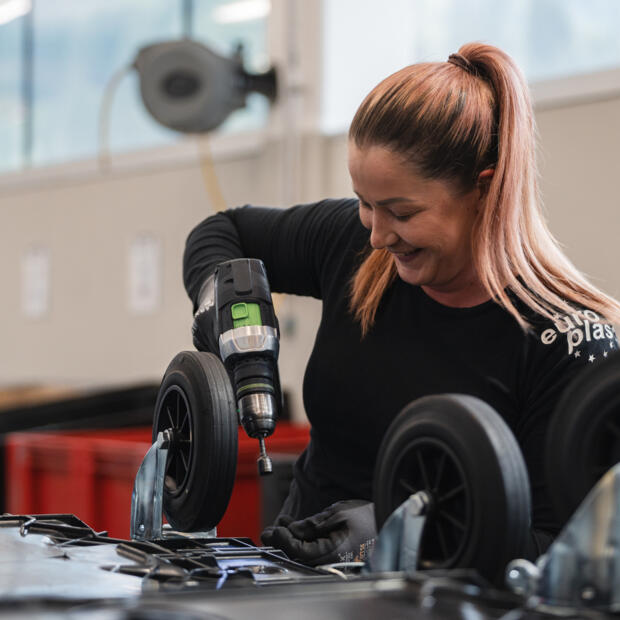
Lean Production Management
Europlast manufactures in accordance with ‘lean production principles’: in a resource-efficient and effective manner. This requires the flawless organisation of all work processes and the coordination of capacities. Europlast’s aim is thus to optimise the entire value chain in the long term, to continuously improve processes and to eliminate waste. Europlast strives to operate in accordance with ‘World Class Manufacturing’ principles. These include customer focus, increasing value creation and a continuous improvement process involving all staff.
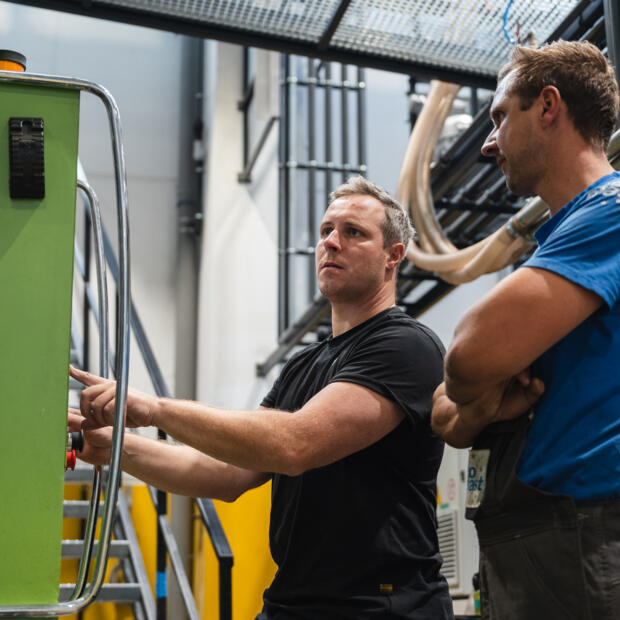
Resource-efficient and effective
through long-term optimisation
A sustainable cycle
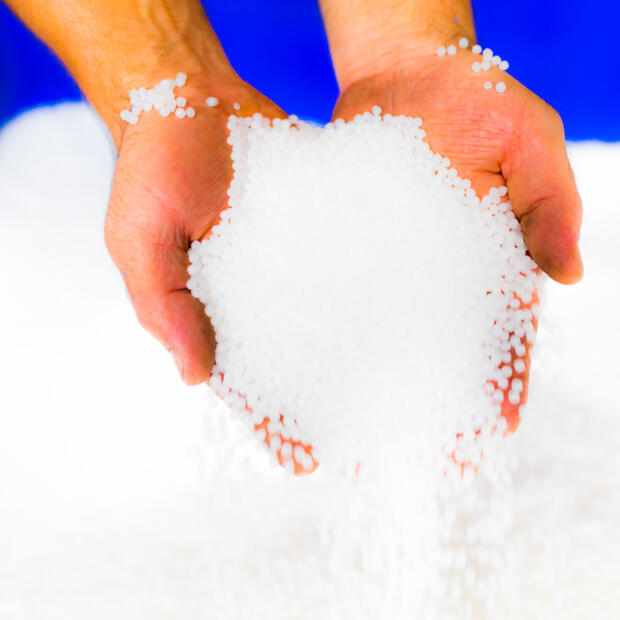
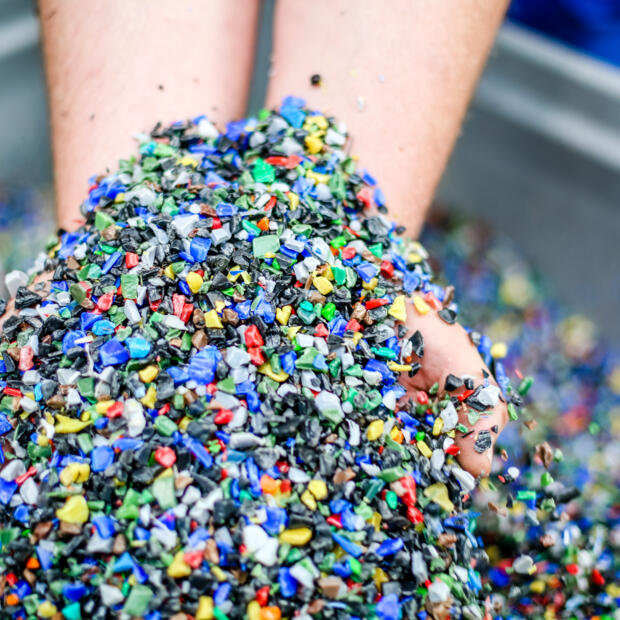
Sustainability is a top priority at every stage of production. Customers can be confident that Europlast will always provide them with the very best and most sustainable products. High-density polyethylene (HD-PE) is used as the raw material for all products. Consequently, no substances harmful to the environment or human health are produced during processing. In the company’s own recycling plant, used and returned plastic containers are granulated and recycled without leaving any residue. As a result, virtually no waste is generated throughout the entire production process. Through ongoing improvement processes in line with the ‘lean production principles’, a unique level of sustainability is achieved within the plastics processing industry.
A raw material with a history
Polyethylene was discovered in 1898 by the chemist Hans von Pechmann and was first produced on an industrial scale on 27 March 1933 by Reginald Gibson and Eric Fawcett at the ICI laboratories in England, under a pressure of approximately 1,400 bar and a temperature of 170 °C.
Depending on the molecular cross-linking caused by the production method, different types of PE result, each with quite distinct properties. A distinction is made between PE-HD (HD-PE), PE-LD (LDPE), PE-LLD (LLDPE), PE-HMW and PE-UHMW. PE is resistant to almost all polar solvents (T < 60 °C), acids, alkalis, water, alcohols, oils, etc. HD-PE is also resistant to petrol. It is approved for use in the packaging of foodstuffs and pharmaceuticals. PE is particularly environmentally friendly, as it is recyclable or can be incinerated without leaving any residue and is non-toxic. There are no known health risks associated with PE.